
Taxes
Home Office Deduction for Contractors: 2026 Update
How a qualifying home office lets a contractor deduct part of the house and, more valuably, turn the daily drive to the jobsite into business mileage.
Read articleBlog
Practical notes on tax deadlines, Florida compliance, job costing, and stronger financial operations for construction firms and contractors.
Taxes
How a qualifying home office lets a contractor deduct part of the house and, more valuably, turn the daily drive to the jobsite into business mileage.
Read article
Tax Calendar & Deadlines
Two federal deadlines hit contractors on September 15, 2026: the third-quarter estimated tax payment and extended S corporation and partnership returns.
Read article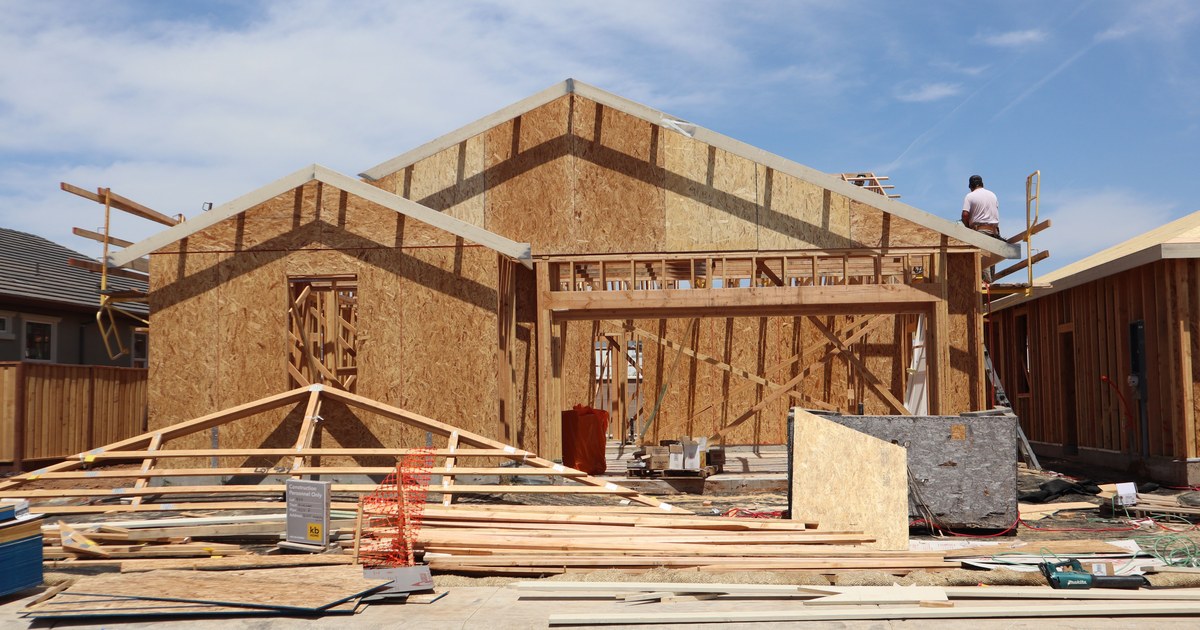
Florida Trades & Construction
What a WIP schedule tells a construction company: how far along each job is, whether you're overbilled or underbilled, and what that means for cash.
Read article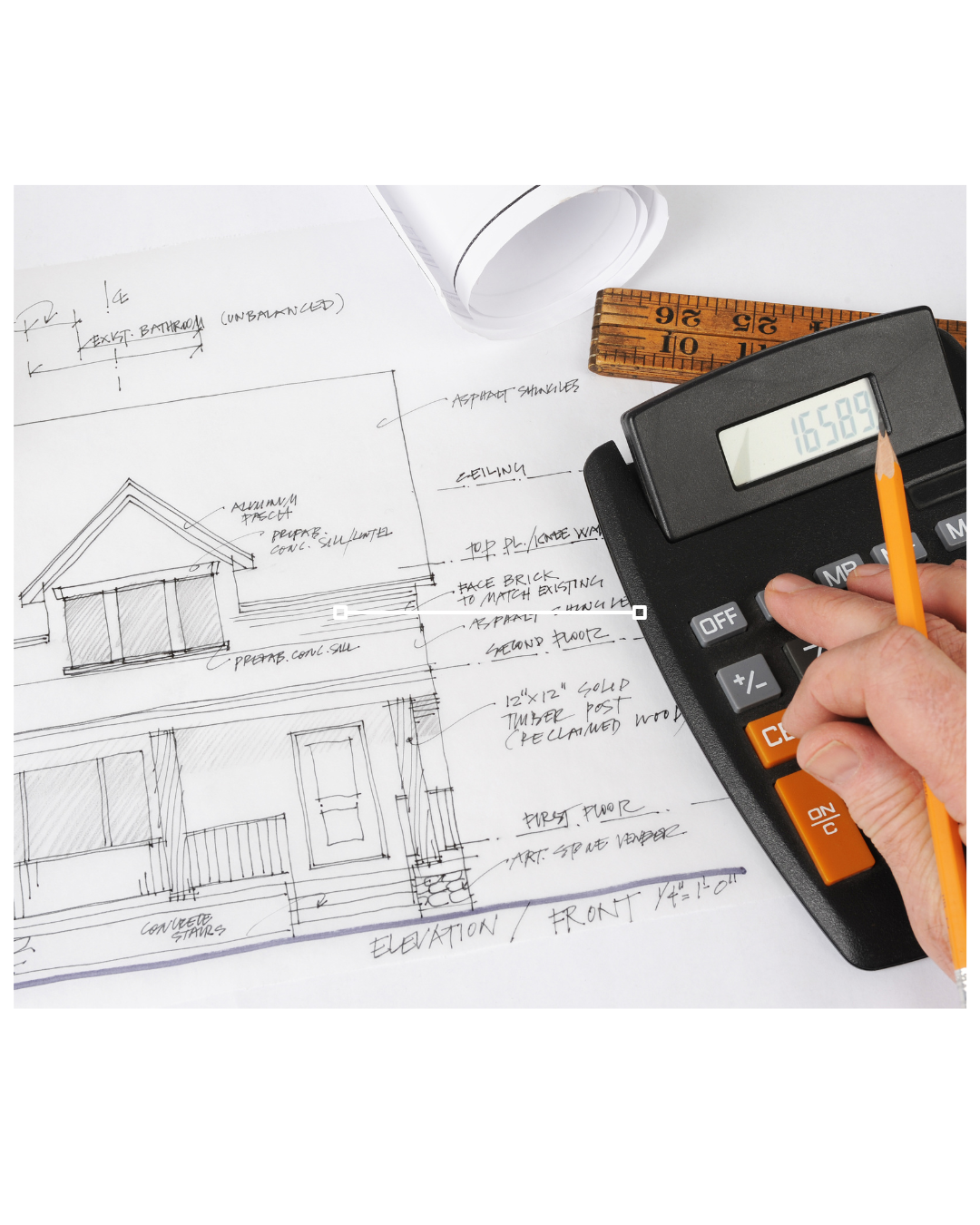
Florida Trades & Construction
How Buildertrend and QuickBooks Online should be set up to share jobs, cost codes, and bills, so every dollar spent on a custom home lands on the right project.
Read article
Tax Calendar & Deadlines
A practical 2026 tax calendar for business owners: entity return dates, estimated payments, payroll reminders, and the deadlines most likely to affect cash flow and penalties.
Read article
Taxes
If you run a Florida construction or specialty contractor company ($1M–$5M in revenue), the One Big Beautiful Bill Act (OBBBA) creates a powerful, cash-flow-friendly deduction in 2025.
Read article
Taxes
Here is some good news if you run a construction or contractor company in Florida doing $1M to $5M in annual revenue: If you plan to buy equipment, vehicles, computers, or tools, the One Big Beautiful Bill Act (OBBBA) restored 100% bonus depreciation for most business property.
Read article
Florida Trades & Construction
Job costing tracks every dollar tied to a project, so you know each job's real cost and profit. For construction firms and contractors in Florida, this is essential. It helps you price confidently, control labor and materials, and prevent profit leaks as jobs move from estimate to close-out.
Read article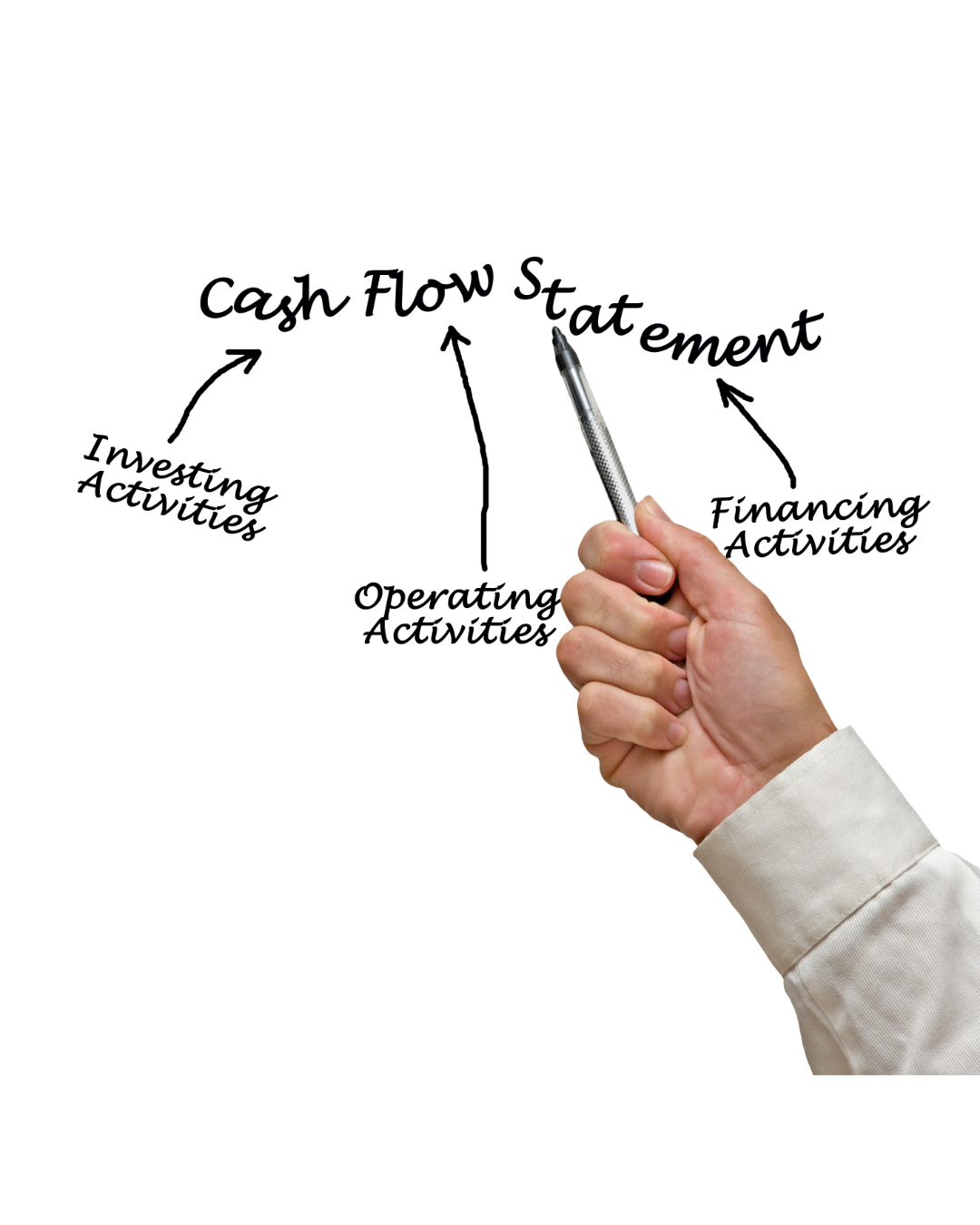
Florida Trades & Construction
What is the Statement of Cash Flows? The Statement of Cash Flows helps you answer the questions, "Where did my cash come from?" and "Where did it go?"
Read article
Taxes
Florida construction businesses face unique accounting challenges -particularly when managing taxes and cash flow. One of the most critical decisions construction firms must navigate is using cash or accrual accounting methods. Each approach has distinct benefits and implications, especially at tax time.
Read article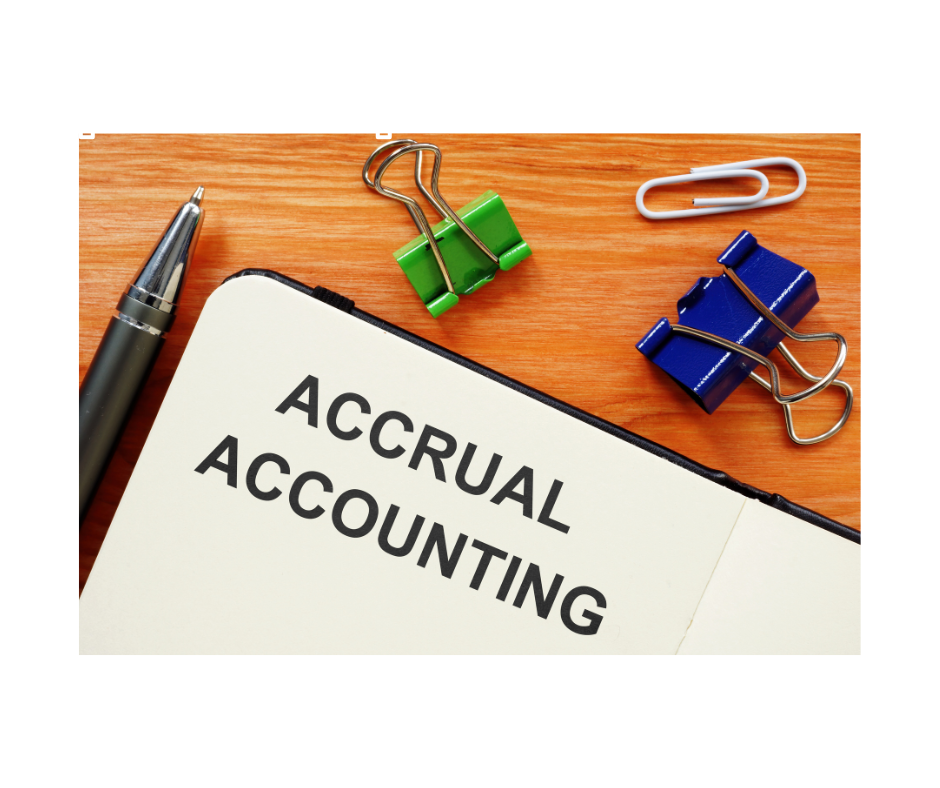
Bookkeeping & Financials
Choosing the proper accounting method is a big decision when starting your Florida construction or contracting business. Your choice will shape how you track income and expenses, interpret your profits, and even file taxes. In this post, we'll walk through: - What are cash and accrual accounting are - The benefits of each method - When it makes sense to use one over the other - A simple example comparing both methods in action
Read article
Taxes
As a Florida construction or trades business owner, we know that one or more of your team members may have to stay late on a job site or take care of a customer emergency. Providing meals for these dedicated employees isn't just a nice gesture—it's also an excellent opportunity to enjoy a valuable tax benefit.
Read article
Taxes
If you're running a construction or contractor business in Florida - whether based in Orlando, Tampa, Miami, Jacksonville, or anywhere else - you may have heard of the newly passed One Big Beautiful Bill Act (OBBBA). While most headlines have focused on tax cuts and family credits, a provision directly affects your workforce: a new tax deduction for overtime pay.
Read article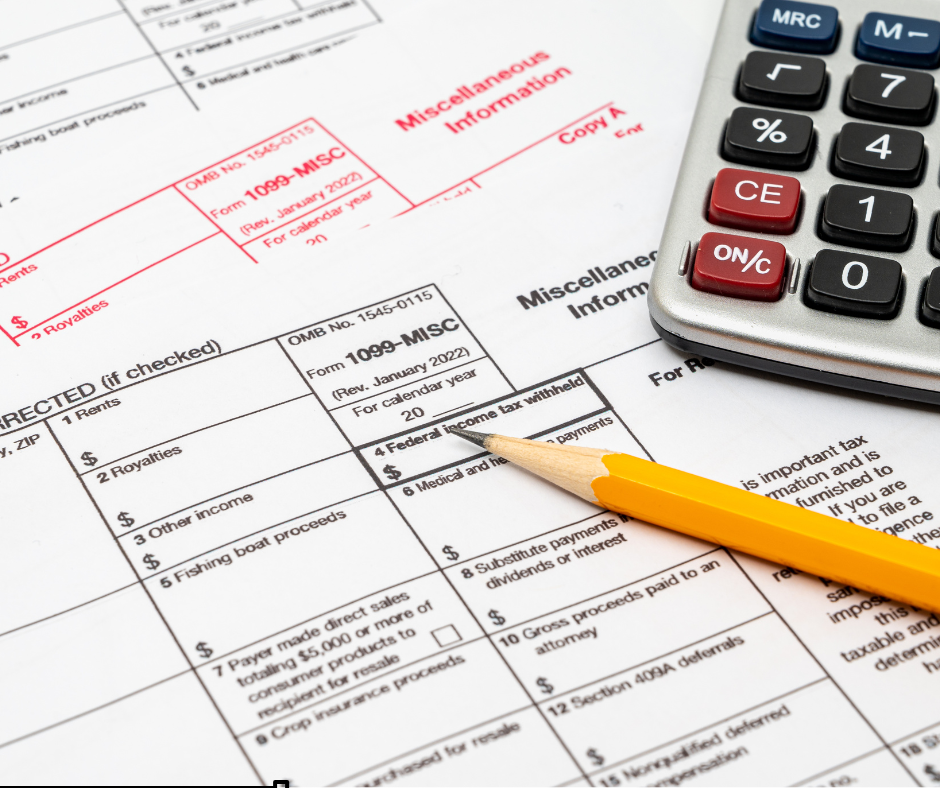
Taxes
We work with many construction firms and contractors throughout Florida. If you are in the construction or trades industries, chances are you pay other contractors! Here's some good news.
Read article
Taxes
Does your business own a shop or warehouse? Check to see if you might be able to turn that company‐owned shop or warehouse into a tax advantage!\n\nIf you own the building your business works out of and lease it to your own company, you can often set yourself up for substantial tax savings.
Read article
Taxes
The recent tax bill includes helpful deductions for small business owners—and avoided scheduled individual rate increases. Here is what to know about expensing, Section 179, QBI, and individual breaks.
Read article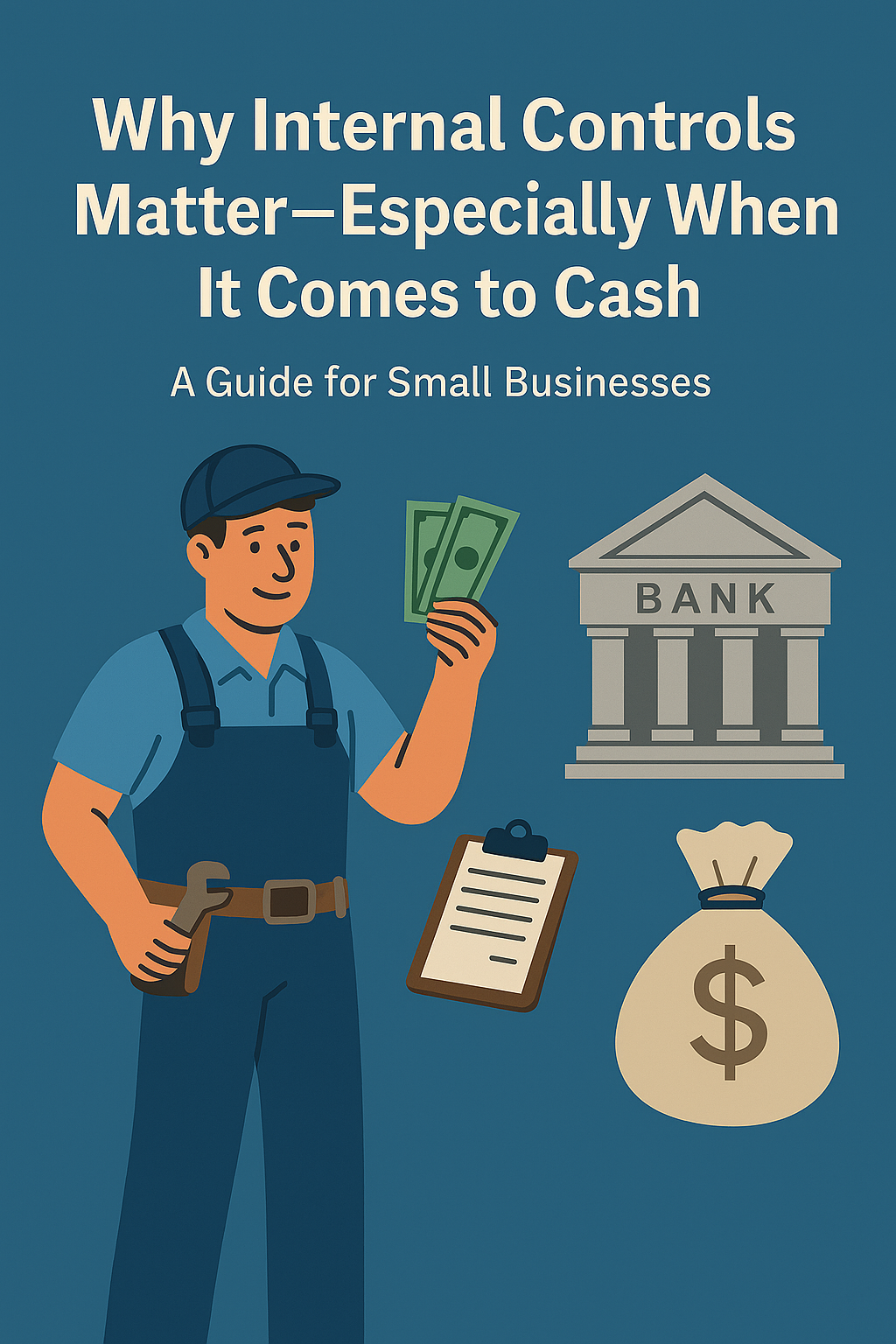
Operations & Profitability
Cash is convenient for trades businesses—and risky. Why separation of duties, daily deposits, and clear spending rules protect your money, team, and peace of mind.
Read article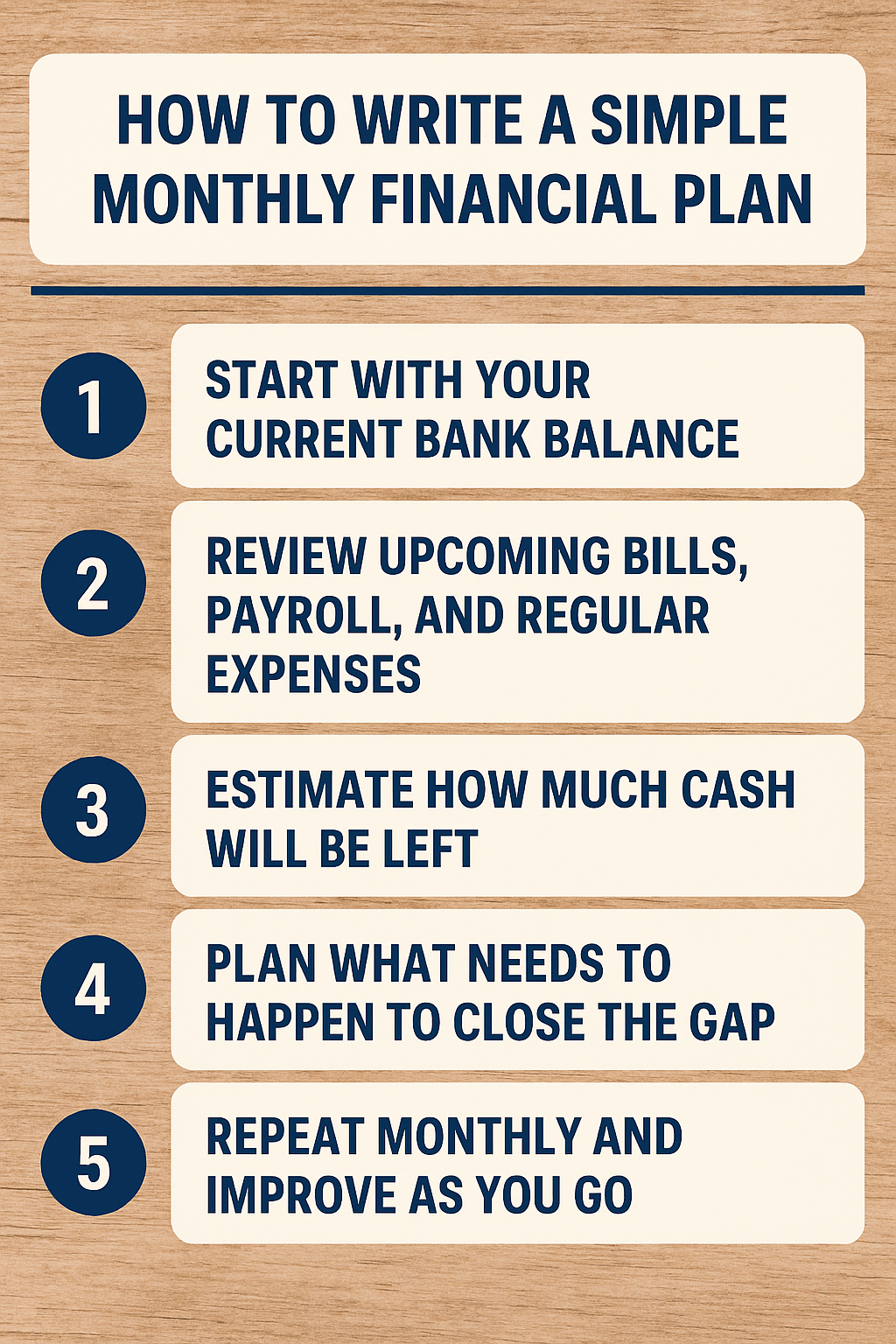
Operations & Profitability
You do not need a CFO or a fancy dashboard—just a repeatable weekly or monthly rhythm to see cash in, cash out, and what to do when you are short.
Read article
Taxes
IRS disaster relief for Hurricane Milton in declared Florida areas: extended filing and payment deadlines, payroll and excise rules, and how casualty losses work on Form 4684.
Read article
Bookkeeping & Financials
How construction and trades firms track labor, materials, and overhead per job—so you can see true profit, tighten estimates, and price the next project with confidence.
Read article
Taxes
Extension filing for partnerships and S-corps, October 15 for many individuals, and quarterly estimated tax basics—including safe harbors and the IRS withholding estimator.
Read article
Operations & Profitability
Part 2: improve gross margin on direct costs, trim overhead, budget weekly, know your break-even, and use cash instead of debt when you can.
Read article
Operations & Profitability
Part 1: raise prices with eyes on costs and the market, grow and retain the right customers, and increase average sale size with upsells and bundles.
Read article
Operations & Profitability
A practical habit for trades and construction: automate moving a percentage of collections into a separate reserve so cash crunches do not derail the business.
Read article
Taxes
When business meals are 50% vs 100% deductible, fringe-benefit treatment for regular employee meals, and the records that survive an IRS review.
Read article
Taxes
Solid books, the right entity choice, and year-round planning—three levers HVAC and plumbing owners use to reduce tax stress and capture legitimate savings.
Read article
Operations & Profitability
What break-even means for service businesses, how it sets minimum sales targets and budgets, and how it should inform pricing for HVAC and plumbing work.
Read article
Taxes
Section 179 expensing and bonus depreciation for equipment purchases—what Florida HVAC and plumbing owners should discuss with their accountant before big buys.
Read article
Florida Trades & Construction
How Florida treats central A/C as a fixture, when the contractor pays tax on purchases vs. charging the customer, and how contract type changes the rules.
Read article
Taxes
As the end of the year approaches, one thing that may be creeping in the back of the minds of HVAC business owners are the often-dreaded 1099s.
Read article
Bookkeeping & Financials
How the balance sheet, income statement, and statement of cash flows connect—and a practical order to review them each month.
Read article
Bookkeeping & Financials
Time vs. cost, business size, and your comfort with the books—practical factors to weigh before you hire, outsource, or keep DIY bookkeeping.
Read article
Bookkeeping & Financials
Operating, investing, and financing cash flows—why this report is different from profit, and how to use it with your bookkeeper each month.
Read article
Bookkeeping & Financials
What the profit and loss report shows, how to read it by service or customer, and why percentages and projections make planning easier.
Read article
Bookkeeping & Financials
Assets, liabilities, and equity in plain language—plus what to scan each month from cash and A/R to debt and owner draws.
Read article
Bookkeeping & Financials
The balance sheet, income statement, and statement of cash flows—what each answers and how often to review them.
Read article
Taxes
Ordinary and necessary expenses in practice: advertising, professional fees, office costs, rent (including home office), and wages—with pointers to IRS Pub. 535.
Read article
Bookkeeping & Financials
Supporting documents, gross receipts, inventory, and why good records matter for deductions, financial statements, tax filings, and IRS exams.
Read article
Bookkeeping & Financials
From categorizing transactions and managing receipts to invoicing, bill pay, reconciliation, payroll support, and monthly financials—typical ways a bookkeeper helps you stay organized.
Read article
Bookkeeping & Financials
Separate business banking, real bookkeeping software, disciplined receipts and invoicing, and a monthly review of your core financial statements.
Read article
Bookkeeping & Financials
Single-entry vs. double-entry, cash vs. accrual thinking, what bookkeepers typically handle, and why solid books support taxes, audits, and better decisions.
Read articleNext step
The articles are practical but general. For advice tailored to your business, book a free 30-minute call with Ian.